
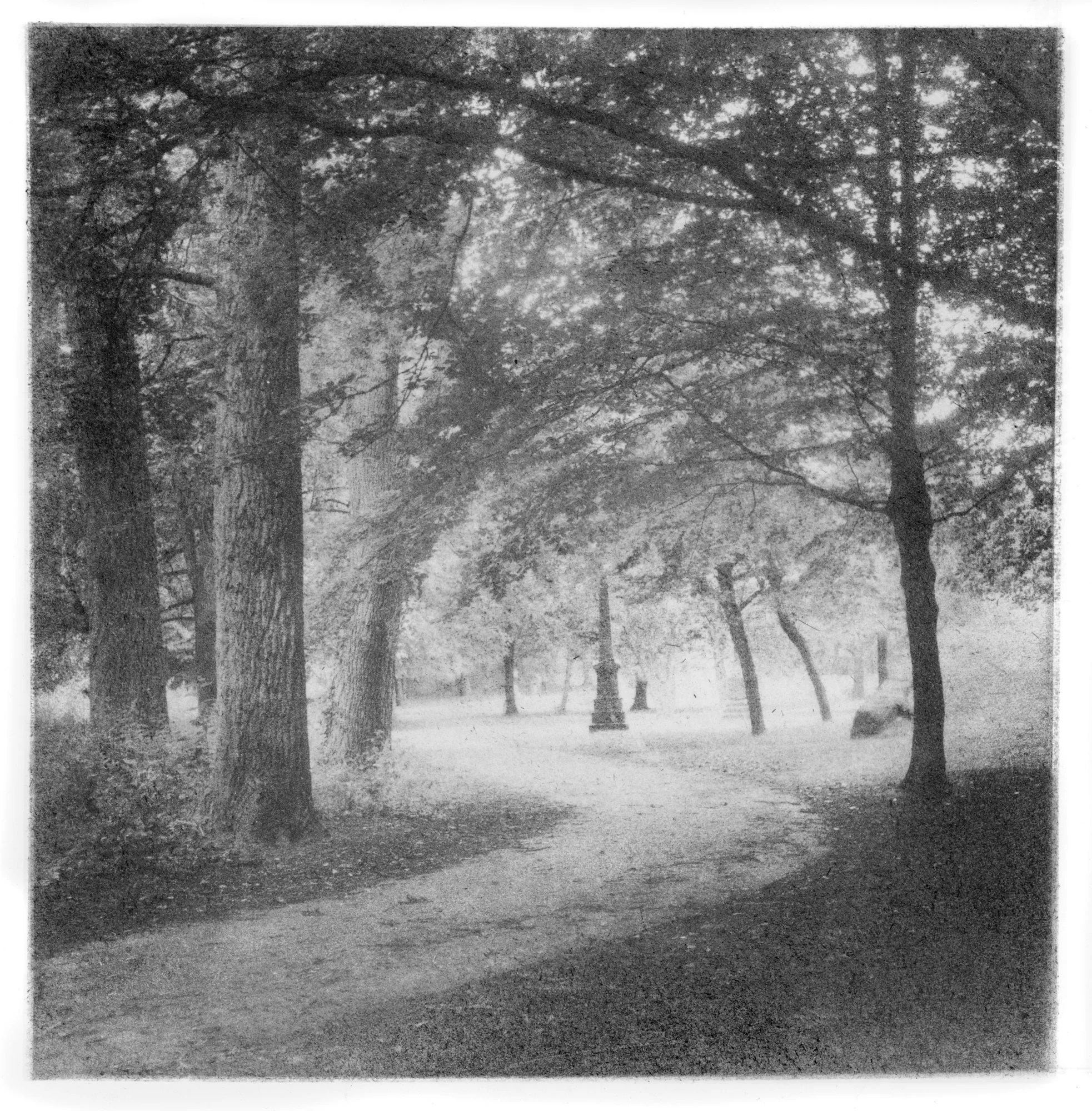
Bromoil Print - Liverpool Anglican Cathedral Gardens © Tony Cearns

Intro

Something bad happened to me and my family in 2022. My wonderful wife was diagnosed with early-onset Alzheimer’s Dementia. It left me (and my two wonderful children) in tatters.

At the time of writing this (mid 2026), my wife’s condition is much advanced. And I have aged by more than the intervening 4 years. I’m approaching my mid-70’s and I intend to care for my wife at home until I am physically no longer able to.

Living with a partner with Dementia has a profound effect on every aspect of one’s own life. The Dementia not only takes away crucial capacities from the afflicted, but it also sucks dry the lifeblood of the carer.

This blog is about my struggle to re-establish some kind of personal harmony. I don’t offer ‘solutions’, and in any case we are still in the midst of this dreadful disease. What I try to offer is a place of consideration and reflection that can be extended more generally across other types of affliction and anxiety.

What I am learning

The disease is incurable

It has taken me mAs I approach my mid-70's, I'm finding that it's the minutiae of things that holds my attention. A younger self of me would have found my present self a little pedantic.

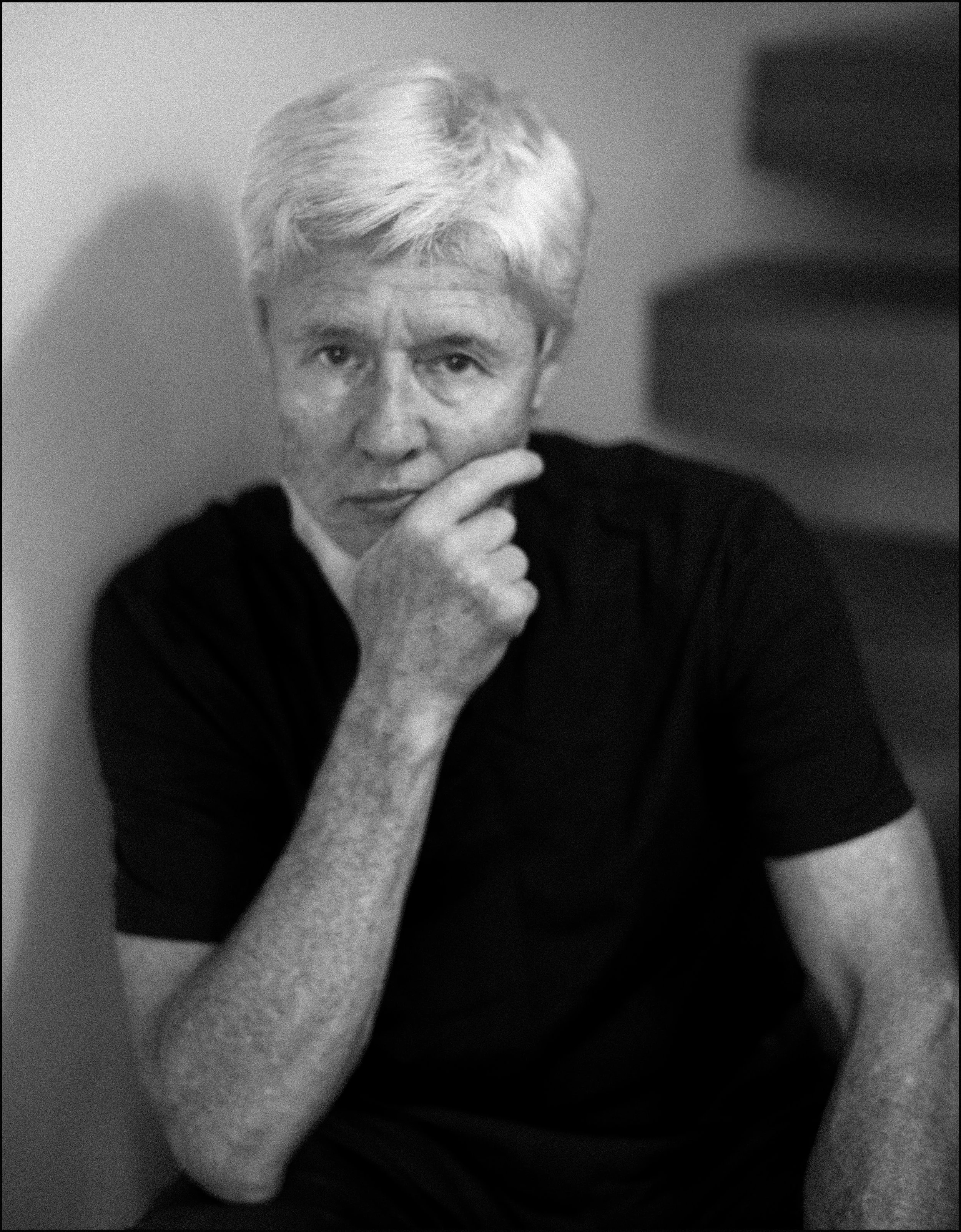
I’m a carer, father, gardener, photographer, walker, bread-baker, contemplater, mountain runner and yoga follower.

Here I ask a question: how can we live well as we grow old when the ageing process itself can seem to put up so many barriers. Part of the answer lies, I think, in being open to the changing nature of things, on being attentive.

Let me briefly expand.

The anthropologist Tim Ingold drew a distinction between navigation and wayfaring. Navigation suggests a planned destination and an optimal route. Wayfaring involves making it up as you go along, but being attentive and responsive to change.

The philosopher Isabelle Stengers advises us to resist the urge to settle on fixed answers, thereby allowing room for continuing inquiry.

And Simone Weil wrote about a kind of love she called 'attention', which Iris Murdoch defined as ‘a just and loving gaze directed upon an individual reality.’

There is a sort of wisdom expressed through these principles which I try to convey through my articles and photographs. Hence the title of the site: ‘without force or haste’, a nod to 'wu-wei'. Posts are of a wayfaring kind, not rushing towards certainty and based (hopefully) on a close attention to things.

A few words about my use of AI.

I do not use AI to write or edit articles or produce images. I believe that the struggle of writing first hand helps us be attentive to our thoughts. Writing with the aid of AI can only be at best a second-hand affair. In the same vein, I believe that producing photographs using film cameras and darkroom printing enables us to be in closer touch to our thoughts and feelings. I do use AI to research topics, create reading lists, find quotes and so on. It would be very difficult to avoid the use of AI in this way, so embedded has it become in search facilities through web browsers.