The Gothic
Recently I was scrolling through all my photographs, which I keep in digital form, even if they also exist as darkroom prints. And I asked myself a question: What do these thousands of photographs say about me? Well, lots of different things, but there was one thing that seemed to crop up regularly.
It has to do with a feeling that I can only describe as ‘gothic’.
A feeling that used to wash over me as a child in the Brazil of the 1960’s - I remember being terrified by the knife-sharpening man who used to come by the house a few times a year to see if we needed our kitchen knives sharpened. I was also terrified by the barber who visited monthly. He was never very careful with his clippers. And the awe I felt when the maid’s brother, a member of the Esquadrão da Morte in Rio de Janeiro (a violent paramilitary organisation) used to show me his revolver and ammunition.
Not much frightens me anymore but perhaps those feelings of terror and awe have persisted in my interest in the Gothic.
It’s a feeling that seeps from some paintings, music, novels, plays and, of course, photographs. If you visit the Cimetière du Père-Lachaise and be attentive, you will know what I am getting at. But you can find it anywhere. To see it, you need to be sensitised to it.
A few years ago I visited Heptonstall in Yorkshire with a photographer friend. At the cemetery I was very attracted to the grave stones in the church yard. It was as if the stones were marching towards me like soldiers. That’s the feeling I had.
This image stayed in my mind for a few months until I decided to offload it in the form of a Bromoil print. And here is the result of what I saw in my mind’s eye:
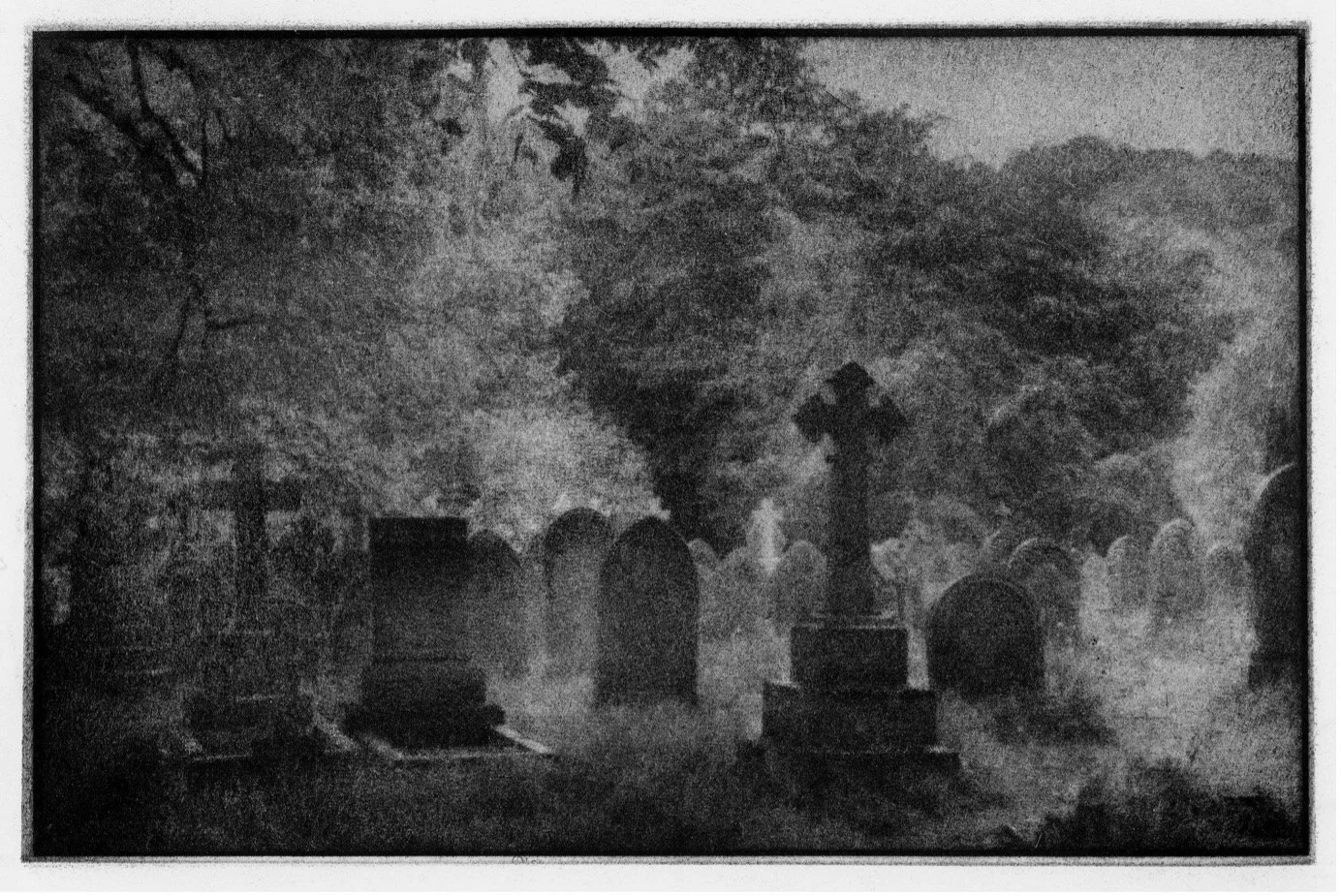
© Tony Cearns - Heptonstall cemetery, Bromoil print
I realise that the term ‘Gothic’ comes with a lot of pre-supposition, but it seems appropriate here.
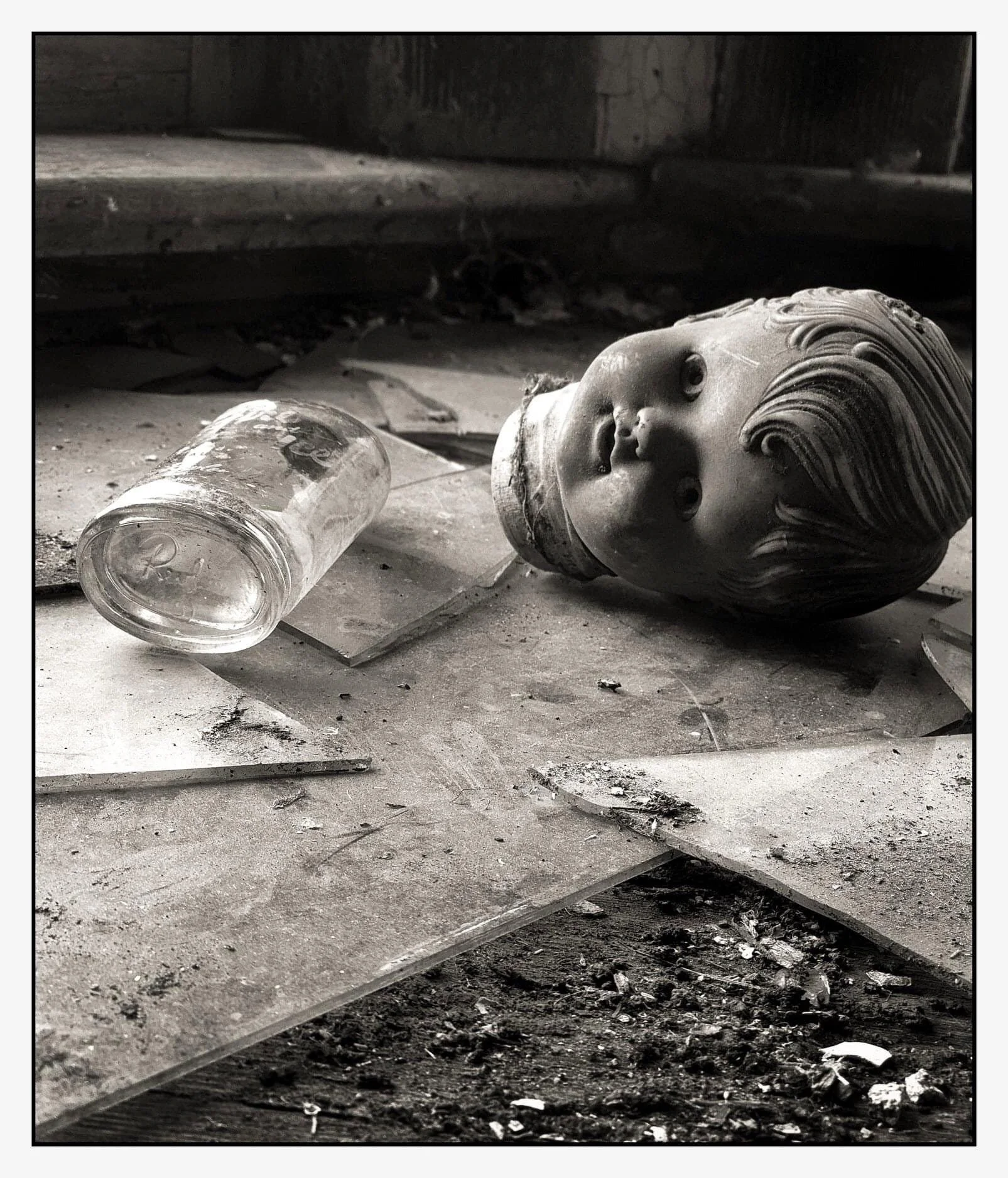
© Tony Cearns ‘Abandoned Shattered Doll’, North Dakota
I have always been drawn to the Gothic and French Symbolism. Notwithstanding the perils of historical interpretation that reading through a gothic lens might admit, I have been drawn to Edgar Allen Poe, William Faulkner, Cormac McCarthy, Alice Munro, Margaret Attwood. My popular musical tastes have featured Neil Young, Drive-By Truckers, Kings of Leon, Black Crowes.
Photographically, I admire Atget, Walker Evans, William Mortenson, Kertész, Bill Brandt, Cartier-Bresson and, of course, the ante-bellum architectural photographs of Clarence Laughlin. I would argue that all of these photographers extolled a gothic disposition. Walker Evans is often described as a ‘straight’ photographer (whatever that means), but one only has to look at his Billboard pictures to get a sense of the Gothic:
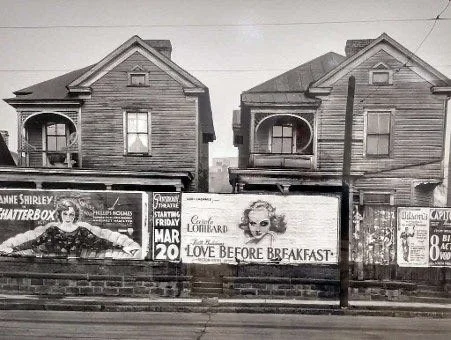
© Trustees of Walker Evans
And so, I have found in my own photography a predilection for the abandoned, the dispossessed or disenfranchised, the contrarian view, cemeteries and decay, a pointing towards the ‘third world of photography’, as Laughlin put it, a realm beyond documentation looking beyond an object’s physical status and commonplace meaning to reveal the symbolic suggestiveness of objects.
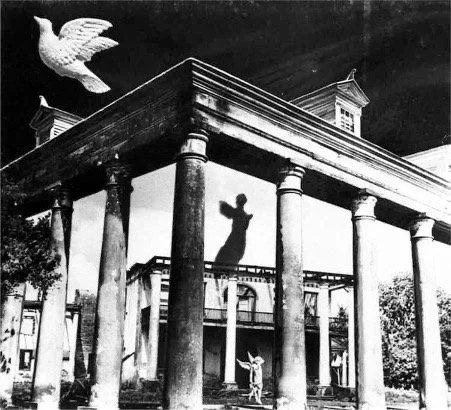
© Clarence Laughlin
This style has emerged of its own accord, somehow, and only on reflection after several years have I come to recognise it and make sense of it in terms of how I see.
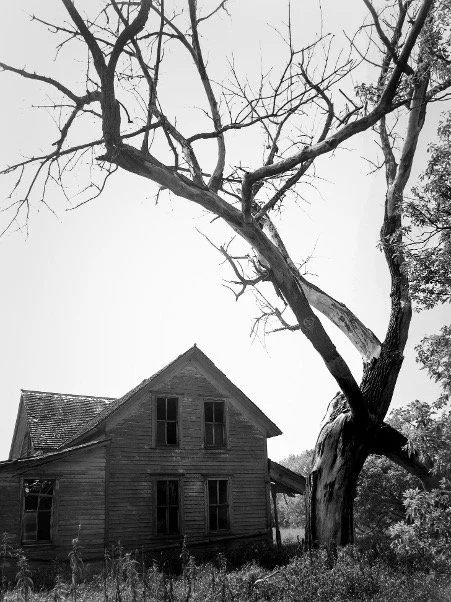
© Tony Cearns Abandoned Farm, North Dakota
Letting a style emerge organically from a lifetime of photography has afforded me an opportunity for self-discovery, surely one of the great things about photography? As Wynn Bullock once wrote: ‘What is important is not what you think about (objects), but how they enlarge you.’ Artificially imposing a stamp on my work might have led to some earlier success, but who’s counting? Not me. Short-term gains, perhaps, but what long-term pains?
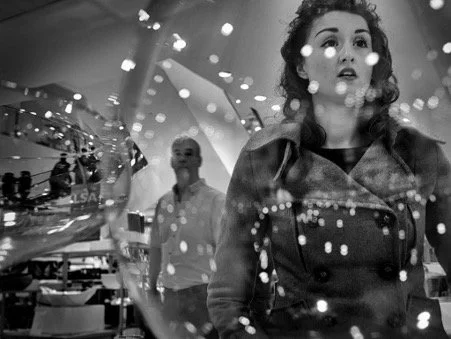
© Tony Cearns, Department store, Liverpool

© Tony Cearns Berlin

© Tony Cearns, Covent Garden, London - unposed.
